Disruptive discovery about the formation of emotions in the brain
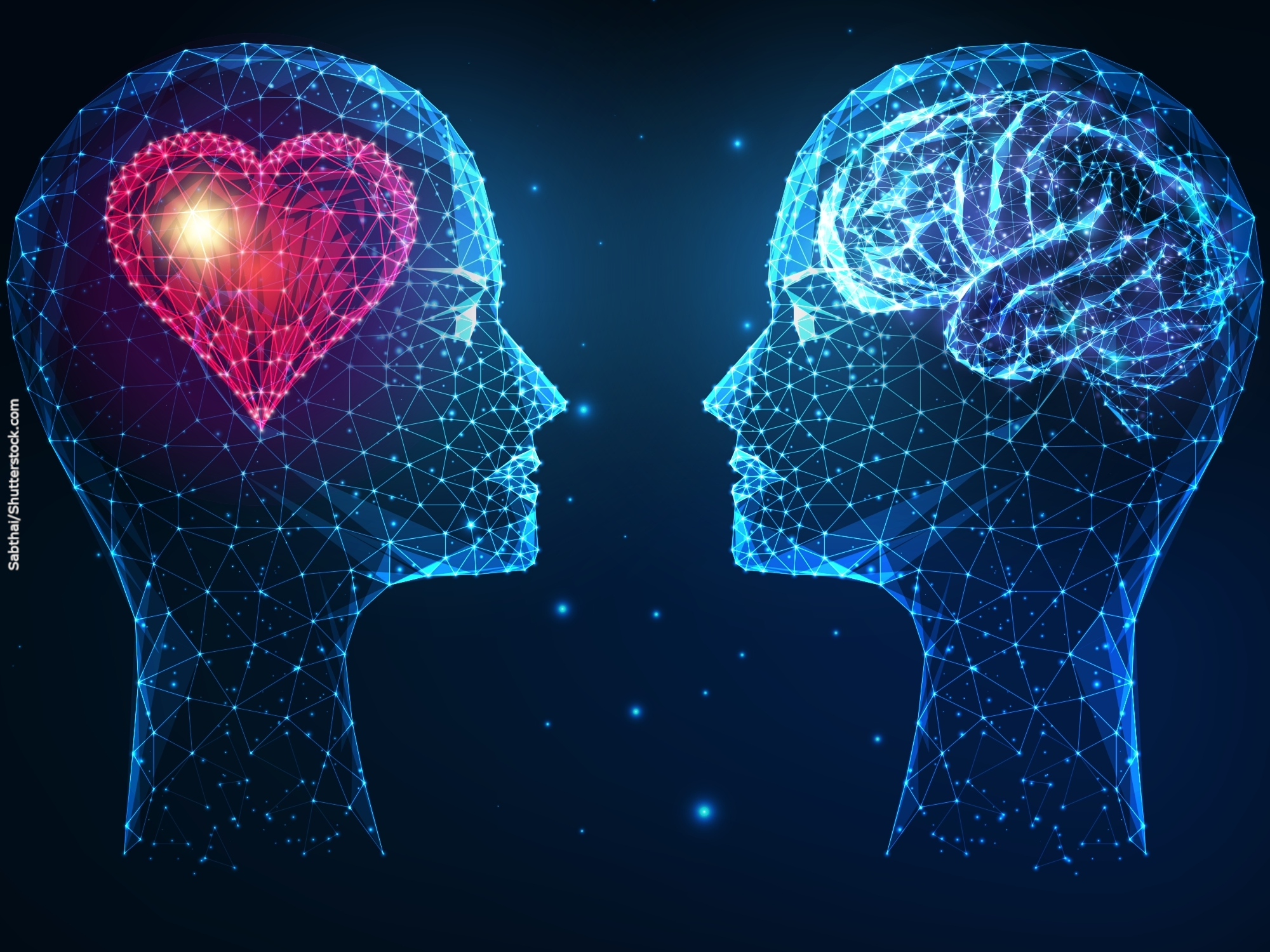
Researchers from the Salk Institute for Biological Studies , in California, United States, discovered a mechanism for the formation of emotions associated with the memories of the human brain. The novelty is disruptive to the area and should originate a series of advances capable of qualifying diagnoses and treatments for improving mental health, trauma recovery and other psychiatric conditions.
The work coordinated by Hao Li points out that the brain attributes an emotional value to the information it stores, as it encodes it, “saving” experiences as good or bad memories. That is, feeling is not associated with memory, on the contrary, feeling is part of memory.
In research published by the journal “Nature ”, scientists argue that the sentimental value of each memory is established by a small molecule known as neurotensin. According to the work, as the brain judges new experiences at the time they are occurring, neurons adjust neurotensin release as this change sends the received information to be encoded as positive or negative memories.
“Broadening the understanding of the mechanisms of the human body, especially the brain, is a keynote of modern medicine that can result in unthinkable quality of life improvements, even today,” says Arie Halpern , a specialist in disruptive technologies.
The discovery offers new perspectives to investigate the biological foundations of anxiety, dependence (chemical, psychological, etc.) and other neuropsychiatric conditions that may be a consequence of failures in memory processing mechanisms. In theory, redirecting the brain through new drugs could be a pathway to innovative treatments.
Brain Complexity
Neuroscientists are still far from fully understanding how our brains encode, record, and re-read our memories. However, the attribution of emotional value to what we hold is already known as an essential part of fundamental processes for survival.
In this field, associative memories play a central role. The ability to connect disparate ideas is relevant to persevere. By association, we are able to interpret a plate with the drawing of a lightning bolt and understand that touching the fence to which this symbol is attached can cause an electric shock. All of this requires a load of emotional value to the memories of something we have already experienced or been taught.
The most rudimentary form of associative memories is interpretation through punishments and rewards, a capacity that countless other species also possess. Watch your pets.
However, scientists have only identified that the basolateral amygdala is the brain structure that associates stimuli in the environment with positive or negative results. There was a lack of understanding of how this happens.
Dopamine, a neurotransmitter known to be important in learning rewards and punishments, seemed to be the answer, but studies have revealed that it does not have the function of assigning memory a positive or negative value.
The next step of the research led to the investigation of neuropeptides, small multifunctional proteins that can strengthen the connections between neurons. Thus, the Salk Institute team found that a set of basolateral amygdala neurons had more receptors for neurotensin.
New treatments
For scientists, it is still too early to state that it will be possible to produce pharmaceutical treatments that involve discoveries about neurotensin and thalamic neurons. In theory, also according to the researchers, there are chances of finding ways to correct the value attributed to our memories in order to treat dysfunctions in this area.
In this regard, there are two distinct fields: people with failures in this function to the point of almost or never feeling fear and individuals with excess negative valuation of memories or fearful in excess.
In the first case, the challenge is to take the neurotensin carried by a drug to the right place in the brain and in the right amount. As for patients with excess trauma, it is not clear whether therapeutic drugs directed to neurotensin could alter the emotional value of an already formed memory.
The good news is that in addition to neurotensin, there are other neuropeptides in the brain that are potential targets for interventions and new research.
Let’s cheer! Lives can be saved and improved with advancements in this area.